
Primary School (6-12 years)​

Throughout the primary school years children with learning and communication differences may require continued support with their communication. These supports may include:

  • Supporting a child to participate in school by providing advice and guidelines to a child’s teacher.
  • Identifying priorities for your child and your family and including these in a home or school programme.
  • Introducing strategies so that your child can communicate more successfully –objects, pictures, visual supports, sign language.
  • Individual sessions focused on developing a specific skill.
  • Communication training for family members on how they support your child to participate as fully as possible in family events.
  • Support Sessions for parents – Consultations where a parent can speak with the clinician without their child to explore communication issues and possible solutions to try.
  • Supporting children and families where there is a child with a limited diet to understand what may be happening and to introduce the child to sensory experiences that can promote greater exploration of food in a fun way.
 

By the time a child starts Primary school they generally have good communication skills and will be able to use their language for many different functions such as asking for items, naming items, asking questions, conversations and telling stories.

Through these years children continue to develop their language skills
  • Children can understand longer instructions that have 2-3 parts e.g – open your school bag, take out your lunch and put it in the class fridge.
  • Can use a range of adjectives to describe pictures or describe what they want e.g – I want the red shoes with the glitter and beads on the front.
  • Will start to use language to reason and persuade – Because I was good, can I have sweets?.
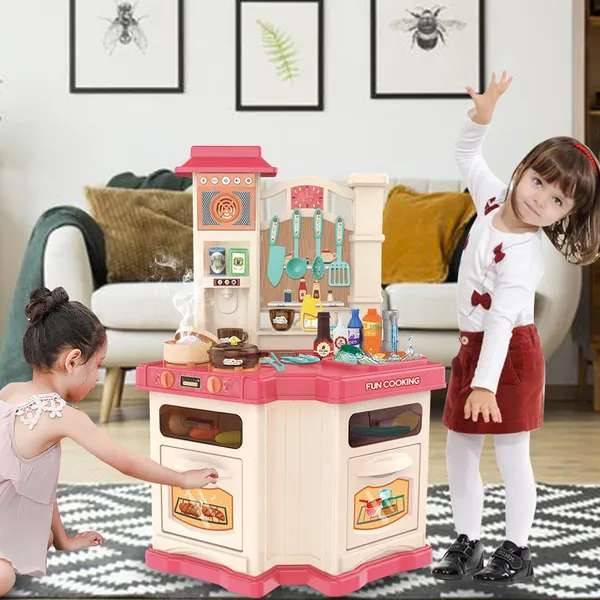
  • Will engage in pretend play with other children and talk as if they are someone else. e.g – I’ll be the teacher – “now children, sit down please”.
  • May still have some speech immaturities but are generally understood by all adults and children.

  • Will ask lots of “how” and “why” questions
  • Will be able to use new vocabulary in an appropriate manner.
  • Will use most grammar markers correctly – e.g – past tense “I ran in the yard”, plurals “I saw lots of mice”
  • Can tell stories and sequence, will put parts of in the correct order.
  • Will talk about a wide range of topics not linked to an activity that you are doing together.
  • Speech immaturities have disappeared by this stage.
  • Can use a wide range of complex grammar and language to express their thoughts, seek clarifications, ask questions and have conversations about new events or topics.
  • Will use language to build and create friendships e.g. complementing; “ You make the best Lego dinosaurs ever”, criticising; “ you never let me use any of your good markers”, negotiating; “if we watch your programme first and then after that we can put on my programme”, clarifying; “Did you mean we are going to get ice-cream after school today or after school on Friday?”
  • Is able to infer meanings, reasons and predictions about what is being said. e.g “We’ll have to see what the weather is like and what time your brother is back before we make a decision about the zoo”.
  • Will recognise when others don’t understand them and will try to.
If your child needs support in any of the areas mentioned above, Speech and Language Therapy can help support them in the following ways:
  • Speech assessment– this will look at the way that your child produces words and sounds and help identify if your child is presenting with a speech delay and the reason for it.
  • Language Assessment – an assessment of what your child is able to understand and the sentences and language they are using compared with their peers. (may include social skills assessment if required)
  • Comprehensive Speech and Language Assessment and reports to include both above.
  • Identifying with you and your child priorities and including these in a programme to work on both at home and/or in school.
  • Supporting a child to participate in school by providing advice and guidelines to a child’s teacher.
  • Individual sessions to focus on developing specific skills.
  • Support Sessions for parents – Consultations where a parent can speak with the clinician without their child to explore communication issues and possible solutions to try.

Want to Schedule a Consultation?

CONTACT US

Send Message